
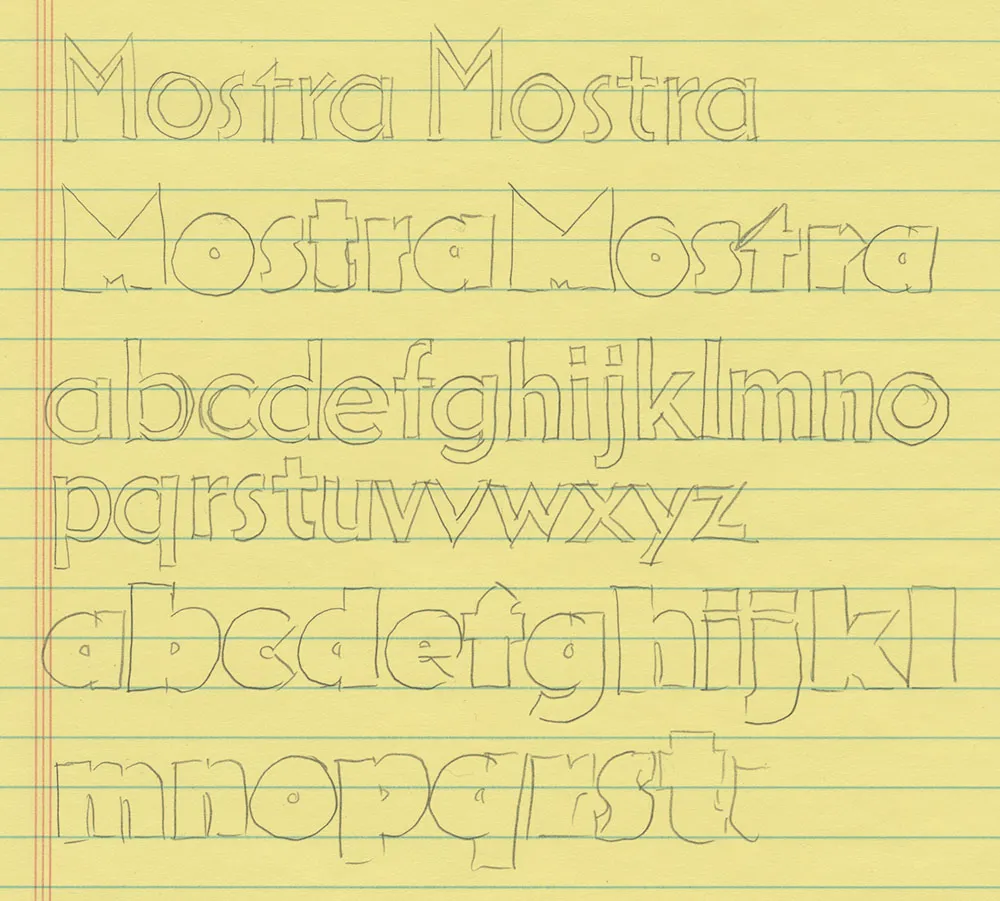
Mostra (2001) was originally conceived as a caps-only font. The source for its inspiration, lettering on Italian Art Deco posters from the 1930s, rarely included lowercase letters. Nevertheless, not long after I released it, I started thinking about what a lowercase for it might look like.
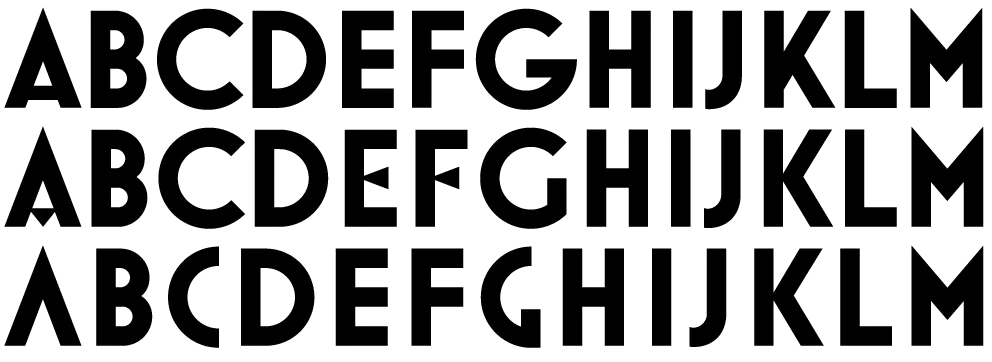
As OpenType fonts grew in popularity and acceptance, an OpenType version of Mostra, with its many alternate characters, seemed inevitable. Separating the alternates across three fonts for each weight was the only practical solution back in 2001. This worked okay, until you wanted to combine alternates from the separate fonts. It’s simply not possible to provide kerning pairs between characters in different fonts. And I did intend for the fonts to be used in this way, not only as separate fonts.
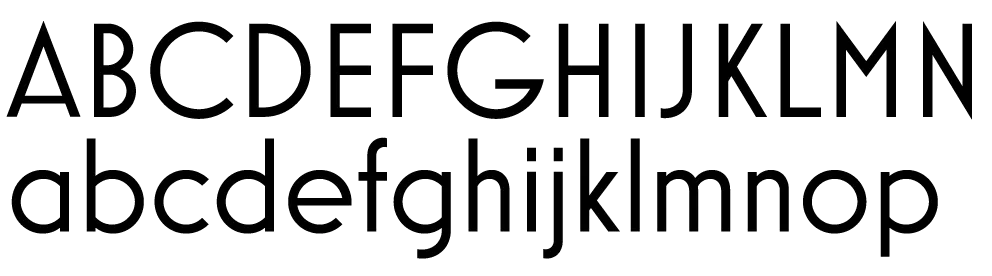
When it came time to develop an OpenType version of Mostra, combining the three fonts into one was the main idea, and it would have been simple enough to go that route, but then I remembered the idea of adding a lowercase. After making some trial designs, I decided it was worth the extra effort.
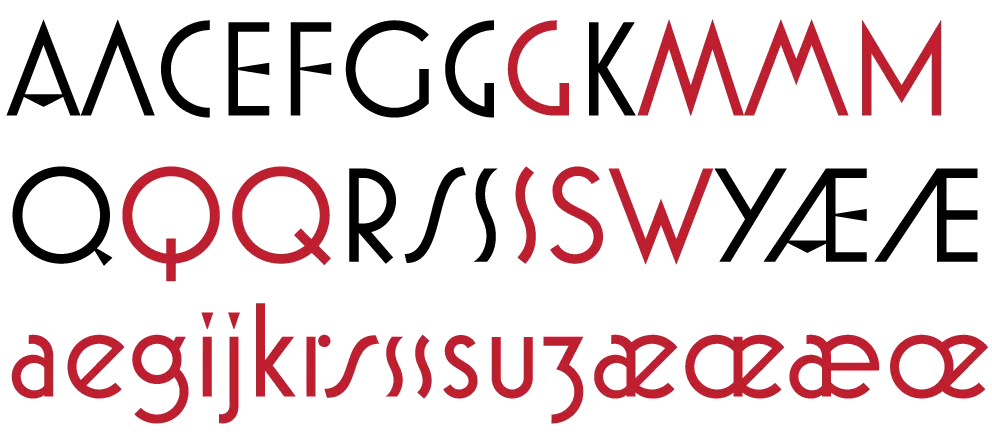
Of course, it takes time to add all those new characters, and the mind tends to wander. Before I finished designing the lowercase, I had thought of even more alternate characters for the uppercase. And, of course, many of these required analogs for the lowercase as well. Upshot: Lots of new characters.
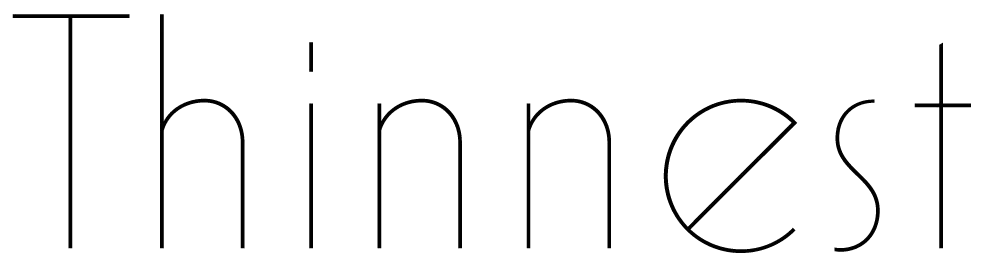
And then I decided to add a sixth weight. I’d been looking at some hairline fonts for some reason and I suddenly thought, wouldn’t it be great if Mostra Nuova had a hairline weight? Yes, it would.
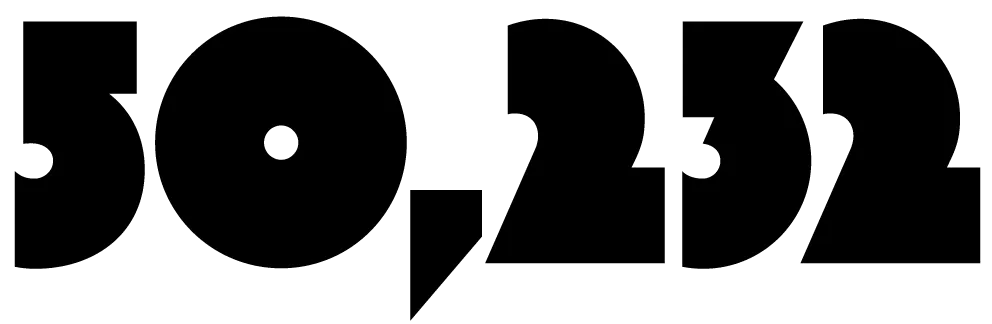
Mostra had 26 capital letters plus 15 alternates. Mostra Nuova has 52 upper- and lowercase letters plus 40 alternates. In the original version, the number of possible letter pair combinations was 650. The number of letter pair combinations for Mostra Nova is 8372. This meant that the number of kerning pairs needed would increase by more than ten fold. Times six weights. This didn’t quite sink in until I was well into kerning. Did I mention that I thought I expected to be done last April? But it was worth it in the end.
Of course, Mostra Nuova has much better language support, covering most Latin-based languages in Western and Central Europe. It also has a special feature so that when you change something to all-caps, things like hyphens and bullets are automatically centered on the height of the caps rather than the lowercase.
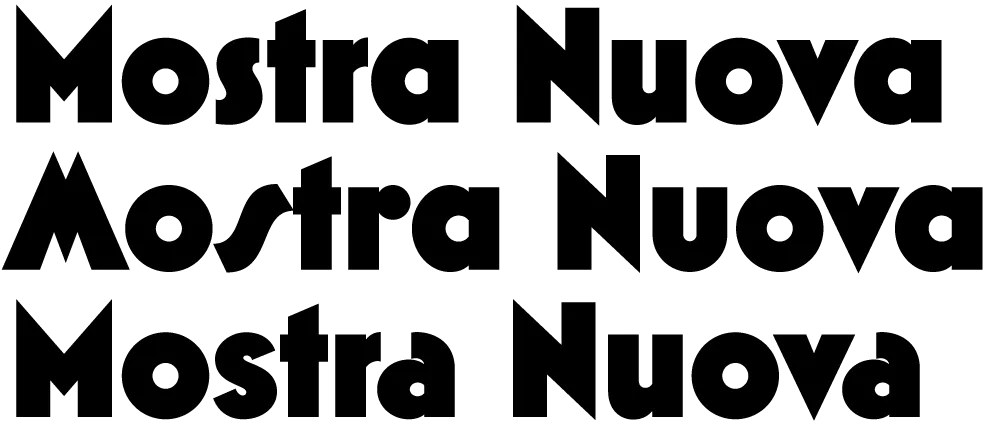
All in all, Mostra Nuova is a much more versatile font than its predecessor. Available now.
 Permalink
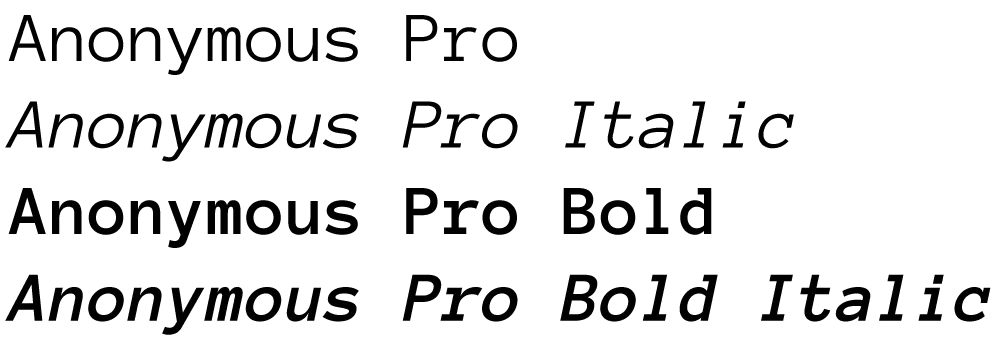
I announced back in April that a new version of my popular free font Anonymous™ would be available soon. That would be today.
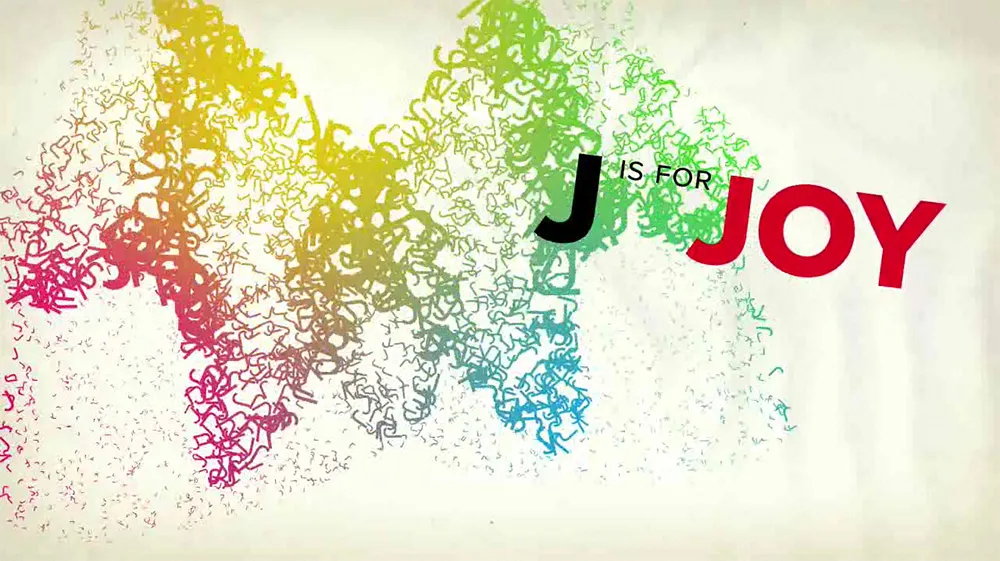
Proxima Nova stars in a new animated short film by Brent Barson, sponsored by Veer: “F is for Fail” (and co-starring Adobe’s Arno Pro). The still from the film (above) sums up my reaction. Well done, Brent! (And thanks to Veer, too.)
I’m really honored to have my Lakeside and Filmotype Zanzibar among the 40 typefaces chosen in Typographica’s “Our Favorite Typefaces of 2008”. Thanks so much, Dyana and J.F.
I participate in this annual tradition from the other side of the fence as well. I chose Nick Shinn’s Modern Suite, which blew me away when I saw the specimen book for it at last year’s TypeCon in Buffalo.
This has been in the works for a while now. I released the current version of Anonymous in 2001, with a few tweaks and updates since, but nothing you could call a major new feature.
In fact, there have been numerous requests for features from users, and many of these have been incorporated into Anonymous Pro, such as:
-
Bold and italics, making it a complete four-style family
-
Expanded character set, covering most Latin-based languages, as well as Greek and Cyrillic
-
Metrics adjusted to make it more similar in size to other fonts
-
Several characters redesigned for better readability and clarity
-
Many small improvements to the overall design of the characters
-
Box-drawing characters—you never know when you might need them
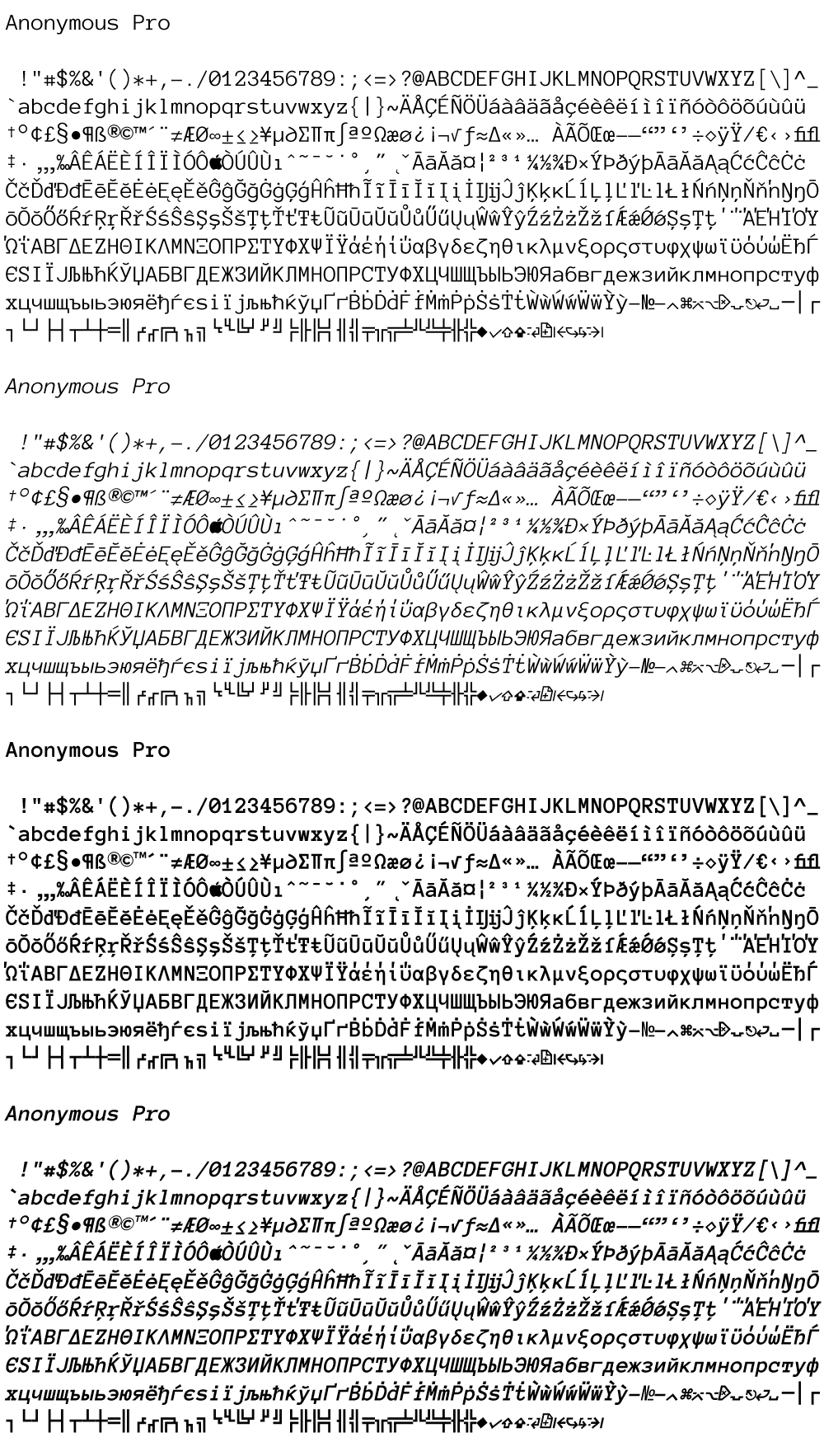
I’m still in final testing, but I expect to release Anonymous Pro soon. [Update: Anonymous Pro is available now.] And, like the current version, it will be free. Here is a sneak peek:
I’ve recently been working on a font for Microsoft called SketchFlow Print. It will be bundled with the next version of Expression Blend, part of Microsoft’s Expression Studio suite. A new feature of the program, called SketchFlow, allows a designer to create a prototype of an application that looks like a sketch, and it comes with fonts to support that look. Christian Schormann, one of the brains behind the app, demoed SketchFlow at MIX09, and you can see SketchFlow Print in use throughout his presentation.
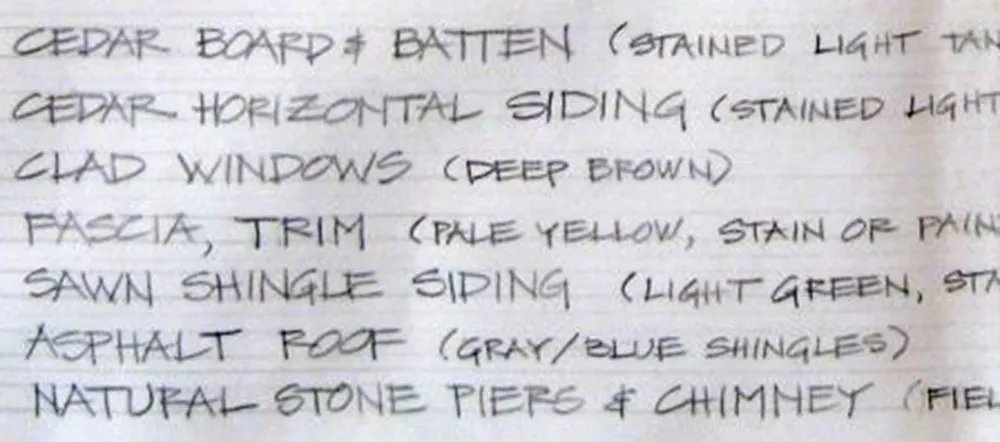
The idea for SketchFlow Print came from Doug Olson at Microsoft, who wanted a typeface in the style of lettering used by architects. There are already many “architect” fonts, but none of them had the natural, lively look he wanted. Doug had worked previously with talented residential architect Michaela Mahady of SALA Architects, Inc., and was taken by her lettering. She agreed to let it be the starting point for SketchFlow Print and provided samples for me to work from.
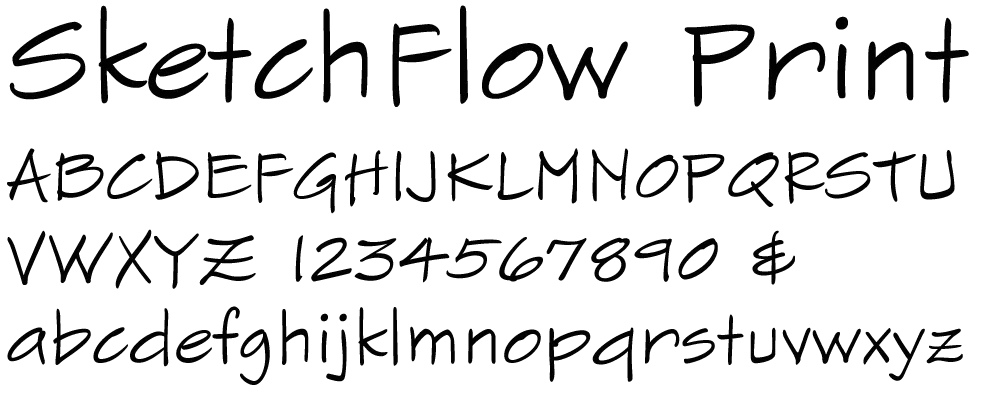
Typefaces based on handwriting can be tricky because typefaces are unnaturally consistent compared to real handwriting. This problem is sometimes overcome by using multiple variations of common letters, which can then be substituted automatically or manually to avoid obvious repetitions. Fortunately, Michaela’s handwriting is quite neat and consistent already, so we decided to keep it simple and just have one version of each letter. The challenge for me was to make subtle changes to minimize conspicuous patterns or disruptions in the overall texture, without resorting to alternates or draining the life out of it. All of us are pretty happy with the way it turned out.